

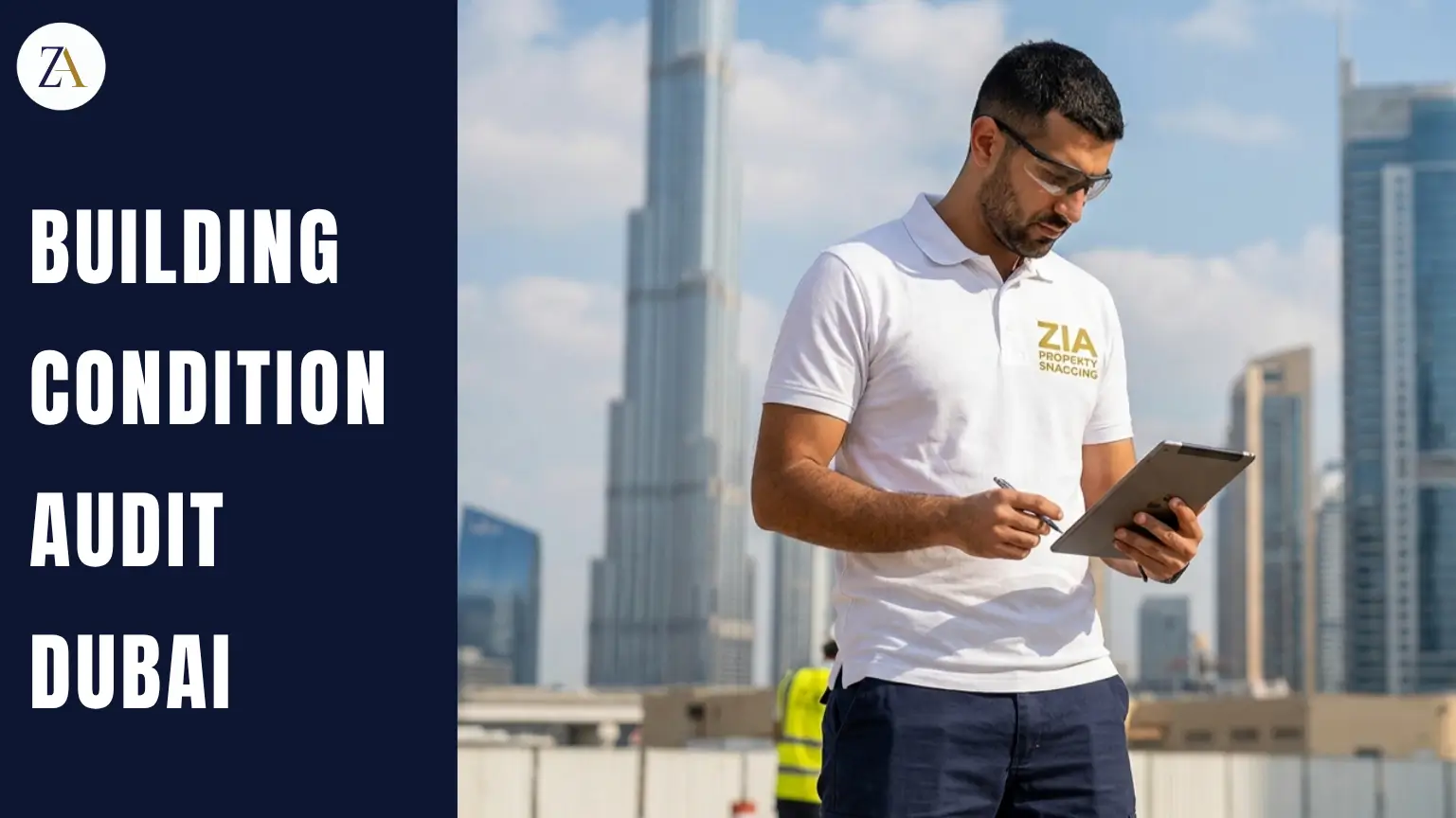
What Is Building Condition Audit Dubai? 2026 | Engineers
The real estate market in Dubai is expanding rapidly, and new residential high-rise buildings, villas, and business houses are being provided every year. Professional inspection of buildings is necessary to ensure that they are in good structural condition and well-maintained to prevent property owners and investors from suffering losses.
Building audits and snagging inspections are the two most prevalent audits in Dubai. Although the two terms are usually mixed up, they are used in different contexts at various times. Being aware of the difference will enable owners to identify defects at an early stage and prevent the high costs of repair and security of the property in the long term.
What Is a Building Condition Audit?
A building condition audit is an active assessment of a building in terms of its physical and structural condition and systems.
This inspection is carried out mostly on the entire building as opposed to a single apartment. The purpose is to examine the present state of the property and notice any structural, mechanical or maintenance problems that may affect the safety, functionality or the cost in the long run.
Building condition audits are usually provided in Dubai in the following areas:
- Commercial buildings
- Residential towers
- Hospitality properties and hotels.
- Big villas or vicinity villas.
- Industrial facilities
A professional building audit gives a clear picture of the state of the building to the owners and shows the places where the building needs maintenance, repair, or improvement.
What Does a Building Condition Audit Include?
A comprehensive building condition audit will check various elements of a building. Professional inspectors evaluate evident and concealed aspects of the building in order to identify the general performance.
Structural Integrity
The structural inspections test the stability and building strength. Inspectors check for:
- Structural cracks
- Concrete deterioration
- foundation movement
- load-bearing wall damage
- structural displacement
Strategic problems may have a pervasive effect on safety and must be discovered at early stages.
Leave your phone, We’ll call you in 15 min
Building Envelope and Facade
The building envelope cushions the structure against the external environmental factors. Components that are reviewed by the inspectors include:
- exterior walls
- facade materials
- windows and glazing
- roof systems
- waterproofing systems
The sand, extreme heat and humidity are causes of the degradation of building material in the climate of Dubai.
Mechanical Systems
The functionality and comforts of the building are attributed to mechanical systems. These include:
- HVAC systems
- ventilation systems
- cooling equipment
- mechanical plant rooms
The Dubai climate is extremely hot and therefore, the cooling systems should be functional in both households and commercial buildings.
Electrical Systems
The electrical inspections are taken to guarantee that the electrical infrastructure of the building is safe and efficient. Inspectors evaluate:
- wiring systems
- electrical panels
- lighting systems
- backup power systems
- electrical load capacity
Even electrical issues are very dangerous when they are not properly maintained.
Plumbing and Water Systems
Water supply and drainage systems are thoroughly checked to allow detection of problems like the following:
- pipe leaks
- corrosion
- poor drainage
- water pressure problems
- water damage
When the water matters are not addressed, structural deterioration may result.
Fire Safety and Compliance
In building audits, fire safety systems form an important aspect of the audit in Dubai. Inspectors review:
- fire alarms
- sprinkler systems
- smoke detectors
- emergency exits
- fire safety compliance
It is important to ascertain that these systems are functioning as they are supposed to.
When Do You Need a Building Condition Audit in Dubai?
A building condition audit may be useful in various situations in the life cycle of a property.
Before Purchasing a Property
Most commercial buildings or residential towers that investors have to buy are usually audited on building conditions. This guarantees the absence of defects in the structures and systems.
Before Major Renovations
It should be known that property owners intending to carry out major renovation projects must have an idea of the structural constraints of the building. An audit is a good load of information even before the construction work kicks off.
Long-Term Maintenance Planning
Building audits enable facility managers to come up with maintenance plans and find out future repair needs.
Property Portfolio Management
Audit is frequently used by real estate investors who have numerous buildings and who need to estimate the condition of their portfolio.
What Is Snagging Inspection?
A snagging inspection is related to small imperfections and the end of newly built properties. It normally takes place prior to the developer handing over the property. Even new buildings may have defects in their construction or in the form of installation errors or cosmetic problems, which snagging inspections enable the detection of.
Snagging inspections in Dubai are very frequent as the number of new residential projects provided annually is large.
What Does a Snagging Inspection Cover?
Snagging inspections are mainly concerned with apparent defects and finishing issues. These problems are normally connected with the quality of workmanship or the quality of installation.
Examples of common snagging problems are:
- paint defects and stains
- cracked or uneven tiles
- poorly aligned doors
- broken wardrobes or cabinets.
- loose fixtures and fittings
- faulty electrical switches
- plumbing leaks
- poorly sealed windows
- scratches on surfaces or glass.
Though these problems might be minor, they might influence the general standards of the property.
Professional snagging inspectors are keen to record these defects to be rectified by the developers before the final handover.
When Is Snagging Inspection Done in Dubai?
Zia Property Snagging is typically performed at special steps of the handover of the property.
Before Property Handover
This is the most prevalent stage of snagging inspections. The buyer will view the property and then formally take possession of it from the developer.
During the Defects Liability Period
A lot of developers provide a defects liability period where they have to fix defects in the construction. Snagging inspection assists in detecting issues in this period.
After Renovation Work
The inspections for snagging may also take place following renovation or refurbishment projects to determine that the work done by the contractors is of the right quality.
Building Audit vs Snagging: Key Differences
Both types of inspections are designed to reveal the problems in a property, however, building audits and snagging inspections are located in different parts of the life cycle of a building. The awareness of such differences will assist the property owners in selecting an appropriate inspection service and prevent expensive future issues.
Purpose
A building condition audit is an analysis that aims at assessing overall building performance, safety and building structure. Conversely, snagging inspection is an inspection conducted on the specifications of the newly completed properties to detect small finishing flaws or workmanship problems before the owner assumes possession of their property.
Scope
An audit building is a thorough inspection of the structural elements, mechanical systems, electrical systems and the general state of the property. Snagging inspections, however, focus primarily on cosmetic problems and installation flaws like paint blemishes, misaligned fixtures, or small construction defects.
Property Type
Construction audits are normally applied in buildings that are already in operation, on commercial properties, or in big houses, where long-term maintenance and structural performance must be considered. Snagging inspection is mostly conducted in new apartments and villas or the latest properties that are being handed over to the purchaser.
Timing
One can conduct a building condition audit in any phase of the structure lifecycle but mainly before significant building renovation, building acquisitions, or lengthy maintenance procedures. Snagging inspections, in contrast to the others, are generally carried out just prior to the delivery of the property so that all of the snags may be determined and addressed by the developer.
Why Property Inspections Are Important in Dubai
The property market in Dubai is a particular problem with its peculiar challenges that render professional inspections highly important.
Rapid Construction Growth
Numerous large-scale projects are created in a hurry to suit the market. This occasionally causes some minor construction faults that cannot be observed instantaneously.
Extreme Weather Conditions
The climate in Dubai incorporates extreme temperatures, moisture, and sand, which have the potential to impact building materials and systems over time.
Frequent checks are used to tell about problems in time.
Insurance of Property Investments
Dubai has high real estate investments. Professional inspection assists in making sure that the owners of the property are not subjected to the possible surprises of the repairs.
Common Problems Found During Building Audits
An audit of the buildings commonly exposes the internal issues that otherwise cannot be seen by conducting the normal property visits.
Common findings include:
- structural cracks
- HVAC inefficiencies
- water leakage
- facade deterioration
- electrical system overload
- failures in roof waterproofing.
Early identification enables the owners of buildings to fix problems before they turn into significant repairs.
Benefits of Building Condition Audits
Building condition audits provide several important benefits for property owners and investors.
Improved Maintenance Planning
A building condition audit gives a coherent account of the state of a building’s important constituent parts and systems. It enables the managers and owners of the property to organize better maintenance tasks and give importance to the repairs required.
Cost Savings
The early identification of structural or systems-based issues will assist in preventing minor issues from being transformed into major and costly repairs. The management of problems at the initial stage can save a lot in maintenance and repair costs in the long term.
Enhanced Safety
Making sure the structural, electrical, and mechanical systems are well adjusted assists in making the environment safer for occupants. The frequent auditing of buildings may detect possible risks, and the safety level can be promoted.
Higher Property Value
Properly maintained buildings are likely to maintain their worth and be attracted by better tenants or buyers. A comprehensive building condition audit may also give the investors and stakeholders a sense of confidence regarding the general condition of the building.
Why Choose Us?
At Zia Property Snagging, we are experts in carrying out building audits of professionals and snagging inspections in Dubai. Our team of licensed professionals employs the latest tools and methods in order to make sure that each aspect of your property is evaluated.
We offer the experience of the Dubai market, sufficient reporting, and individual service to promote effective decision-making among property owners, investors, and facility managers, secure their investment, and preserve the long-term value of their structures.
With us, you get reliable inspections, actionable insights, and peace of mind for your property.
Frequently Asked Questions
How often should a building condition audit be done?
The frequency depends on the property type and age. Generally, audits are recommended before major renovations, before purchasing a property, or every 3–5 years for older buildings to ensure safety and proper maintenance.
How much does an audit cost in the UAE?
The cost varies depending on property size, type, and complexity. Residential apartments are usually cheaper than villas or commercial buildings.
Is an audit mandatory in Dubai?
Building audits are not legally mandatory for most properties. However, they are highly recommended to ensure safety and protect investments.
How to audit a building?
A building audit involves inspecting structural, mechanical, electrical, and safety systems. Certified auditors assess issues and provide a detailed report with recommendations.
How to get a UAE audit license?
You need a valid UAE trade license and qualified inspectors on your team. Registration is done with the Department of Economic Development or the relevant free zone authority.
Conclusion
For a professional building inspection in Dubai, Zia Property Snagging certified engineers are ready to help. Understanding the difference between building audits and snagging inspections is crucial for property owners in Dubai. Snagging inspections are aimed at detecting the defects in the finishing of the recently built premise, whereas a building condition audit gives a thorough assessment of the structural integrity of the building and the overall performance of the system.
This kind of inspection is crucial to safeguard your investment and ensure the quality of your property. Early identification of property problems through the correct inspection will allow property owners to save on the costs that should be incurred in the long term in terms of repairs; the properties will be safe, useful, and valuable in the Dubai real estate market that is rapidly growing.
