

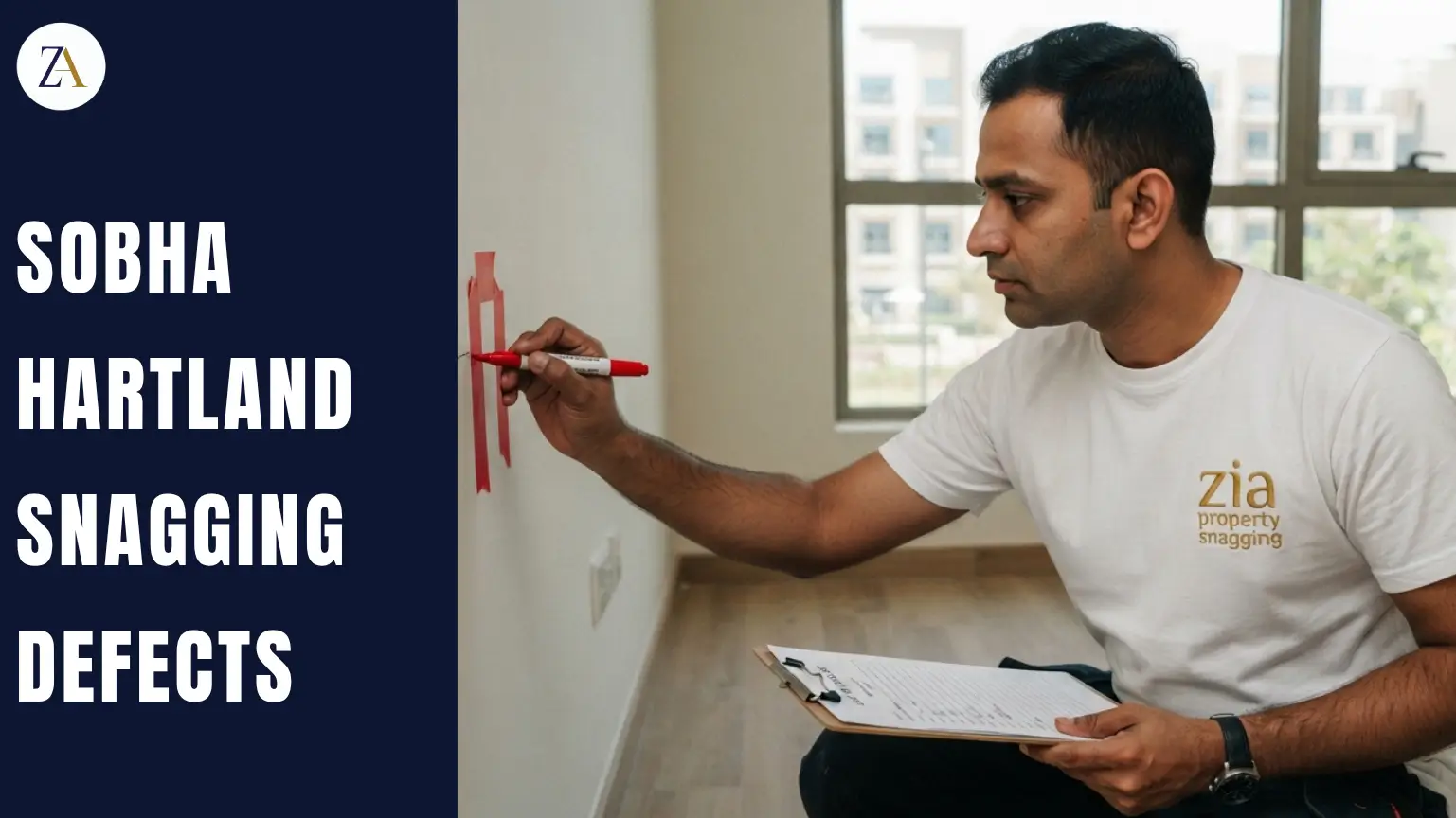
Sobha Hartland Snagging Defects: What Buyers Should Know
Sobha Hartland, a Dubai waterfront community within Mohammed Bin Rashid City, is one of the most desirable waterfront communities in Dubai, with easy access to Downtown Dubai and Business Bay. It is easy to assume, because of Sobha Realty’s reputation for providing premium finishes and in-house construction control, that a home built by them is defect-free.
That’s where many buyers get into trouble. Even the most well-respected builders are known to deliver units with snagging problems, some of which may be cosmetic, some structural and some don’t appear till months after moving in. Whether you are buying, renting out or moving into a Sobha Hartland residence, it is important to know the common defects, what you are covered for, and what you should be looking for in an inspection process, as it could save you months of frustration and thousands of dirhams.
This guide explains what you’re looking for, your rights in Dubai under RERA, and what to do to ensure your unit is handover-ready rather than handover-scheduled.
Why Snagging Matters Specifically at Sobha Hartland
Sobha Hartland has seen a high volume of handovers across multiple towers and villa clusters over the past few years, with more phases still completing. High-volume, phased handovers — even from a quality-focused developer — increase the chance of inconsistent finishing between units, floors, and buildings.
A few factors make snagging especially important here:
- Phased construction timelines can lead to varying teams of subcontractors working to complete units later in the construction process than other units.
- Waterfront/lagoon-facing units will be more vulnerable to moisture problems, such as waterproofing or sealant degradation.
- It’s more costly to correct defects in premium finishes (marble, engineered wood, custom joinery) if they are installed incorrectly, and they are not always easy for the untrained eye to see.
- When there is a lot of buyer volume, developer snag-fixing teams are frequently stretched thin, with delays in rectifying.
None of this means Sobha Realty builds poor-quality homes. It means that snagging isn’t optional—it’s a standard part of taking handover on any property, regardless of developer reputation.
Most Common Sobha Hartland Snagging Defects
Based on patterns seen across Dubai’s premium waterfront developments, these are the defect categories buyers should specifically watch for:
Leave your phone, We’ll call you in 15 min
Structural and Wall Issues
- Fine cracks around the window and door frames and the corners of the ceilings
- The irregular contours of the walls or defects in the old plastering are evident.
- Small cracks on villas and townhouses, especially where they occur in the settlement.
MEP (Mechanical, Electrical, Plumbing) Defects
- If the water is pooling or staining around vents, it’s a problem with AC drainage. If the water is pooling or staining around the vents, it is an AC drainage problem.
- Loose, mislabelled, and not earthed electrical sockets
- Plumbing leaks around the sink, water heaters, or at pipe connections
- A lack of pressure in the water levels of upper-floor units.
Finishing Defects
- Hollow-sounding tiles indicate poor adhesive bonding (a common issue that often only shows up on inspection)
- Uneven grouting or inconsistent tile alignment
- Paint touch-ups that don’t match the surrounding wall tone
- Doors and windows that don’t close flush or have misaligned hinges
Waterproofing and Moisture Issues
- Balcony drainage that doesn’t slope correctly, leading to water pooling
- Incomplete or poor bathroom waterproofing around shower areas
- Sealant gaps around windows facing the lagoon or exposed elevations
Many of these defects aren’t visible during a casual walkthrough. They require the kind of systematic, checkpoint-based inspection that a trained snagging professional carries out—which is exactly why relying on a five-minute developer walkthrough isn’t enough.
Your Rights as a Buyer Under RERA
When it comes to defects, Dubai’s Real Estate Regulatory Agency (RERA) is there for you as a real buyer, but just so you know, you need to know how to use it.
- Defects Liability Period (DLP): Most Dubai developers, including Sobha Realty, will provide a period of time after handover for defect rectification, usually 12 months, but be sure to check with your SPA.
- Right to a pre-handover inspection: As a buyer, you’re entitled to inspect the unit before signing the handover documents. Not signing off properly may make it easier to claim a weakness later.
- Written documentation is essential: You should not only verbally indicate any defect you wish to see fixed during your site visit, but there should be photo/video evidence and a clear timeline of when it happened.
If a defect is structural or safety-related and the developer doesn’t act, buyers do have escalation options through RERA and Dubai’s rental/property dispute channels — but a documented, professional snagging report is often the deciding factor in how quickly these cases move.
DIY Checklist vs Professional Inspection
Some things a buyer can check without any tools:
- Doors and windows opening/closing smoothly
- Visible paint or tile inconsistencies
- Basic electrical socket function using a phone charger
- Water flow and drainage in sinks, showers, and toilets
But several critical defect categories need equipment and training that most buyers simply don’t have access to:
- Thermal imaging cameras to detect hidden moisture behind walls or under tiling before it becomes visible mold or damage
- Moisture meters to check waterproofing integrity in bathrooms and balconies
- Tile hollowness testing using tapping tools across the entire floor area, not just a few random spots
- Electrical load testing to confirm sockets are properly earthed and wired to code
This is the core difference between a walkthrough and a professional snagging inspection — a trained inspector follows a structured checklist covering hundreds of points across every room, rather than relying on visual spot-checks.
What to Do If Sobha Delays or Refuses to Fix Defects
If you’ve reported defects within your DLP window and the developer is slow to respond or disputes the issue, don’t rely on verbal follow-ups alone. Steps that protect your position:
- Keep every complaint in writing (email, not just calls or site visits)
- Attach a professional inspection report with photos, descriptions, and severity ratings for each defect
- Set clear timelines in your correspondence and follow up in writing if deadlines pass
- If the issue remains unresolved, RERA’s dispute resolution channels can be approached—a third-party inspection report significantly strengthens your case at this stage
Buyers who skip the professional report and rely only on their own notes often find it harder to get developers to act quickly, simply because there’s no independently verified documentation to point to.
Why Choose a RERA-Approved Independent Inspector
A snagging inspection is only as good as the process behind it. At Zia Property Snagging, every inspection follows a 400+ checkpoint process covering structural, MEP, finishing, and waterproofing categories — the same categories where Sobha Hartland units most commonly show issues.
What this means for you as a buyer:
- RERA-approved, DED-licensed, InterNACHI-certified inspectors — not a generic checklist company
- 24-hour report delivery, so you’re not left waiting while your DLP window ticks down
- Free re-inspection once the developer completes fixes, to confirm the work was actually done properly
- Transparent pricing starting from AED 999 — no hidden costs, no upsells during the inspection
Because the report is independently generated (not tied to the developer), it carries more weight if you need to escalate unresolved issues later.
Frequently Asked Questions
How long is the Defects Liability Period for Sobha Hartland properties?
Most Sobha Realty units carry a 12-month DLP from handover, though the exact duration should always be confirmed in your Sale and Purchase Agreement.
Can I inspect my unit before signing the handover documents?
Yes — buyers have the right to inspect before formal handover, and doing so gives you stronger legal footing if defects need to be raised later.
What's the most common defect found in Sobha Hartland units?
Hollow or poorly bonded tiles and AC drainage issues are among the most frequently reported, often because they aren’t visible during a casual walkthrough.
Do I need a professional inspector if the unit looks fine to me?
Many defects — like hidden moisture or improperly earthed electrical points — aren’t visible without specialized tools, so a professional inspection is recommended even if the unit looks perfect on the surface.
What happens if the developer refuses to fix a reported defect?
With a documented inspection report and written communication trail, buyers can escalate unresolved defects through RERA’s dispute resolution process.
Conclusion
Sobha Hartland offers some of Dubai’s most desirable waterfront living, but a strong developer reputation doesn’t replace the need for a thorough, independent inspection. Structural cracks, MEP faults, and waterproofing issues can all be present even in premium builds — and catching them before your DLP window closes is the only way to get them fixed without a fight.
If you’re taking over a Sobha Hartland unit soon, book a professional snagging inspection with Zia Property Snagging. With RERA-approved, InterNACHI-certified inspectors, a 400+ checkpoint process, and reports delivered within 24 hours, you’ll know exactly what needs fixing — and have the documentation to make sure it gets done.
