
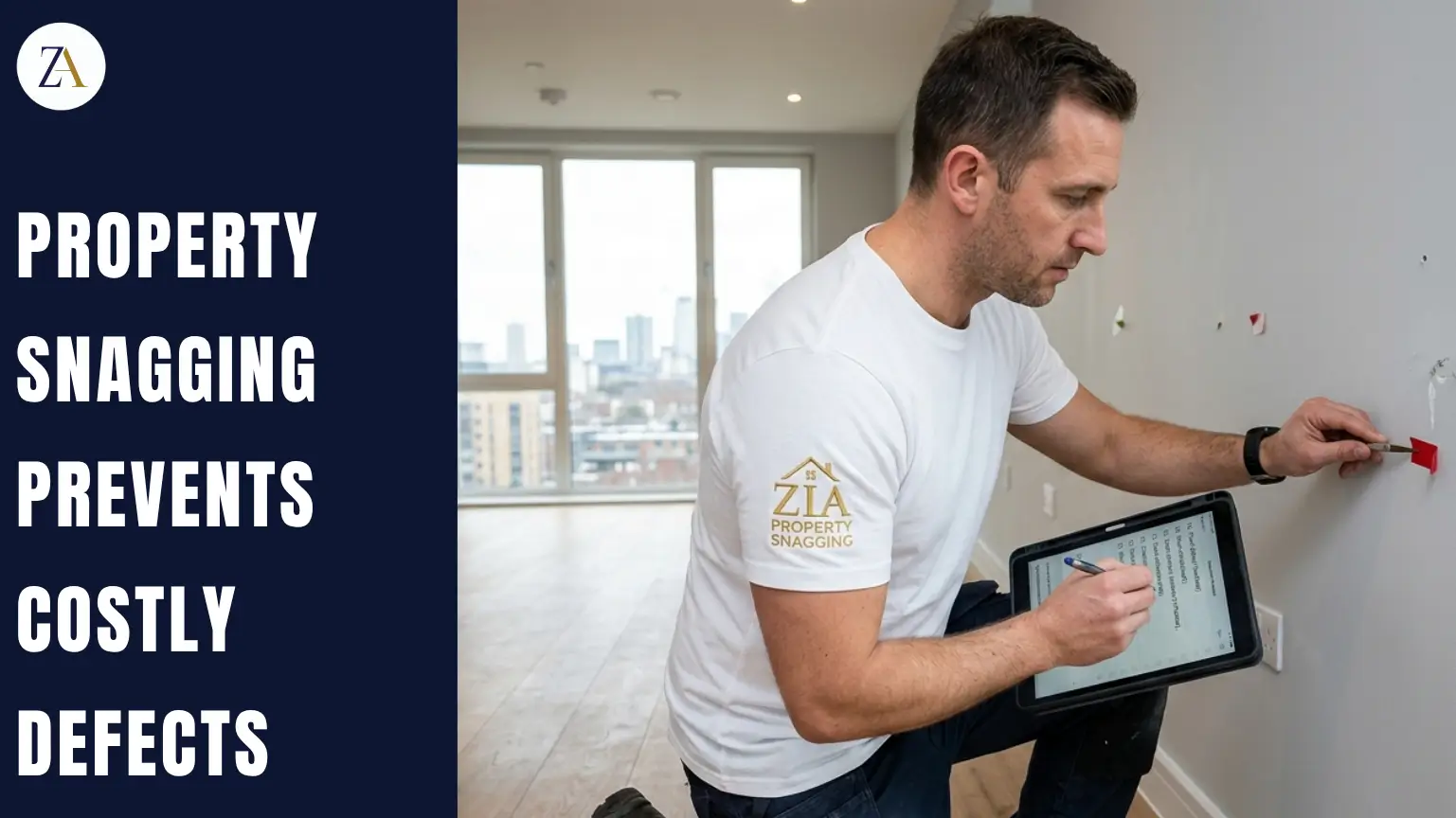
Property Snagging in Dubai to Prevent Costly Defects
Buying a new property is one of the biggest investments a person or business can make. This could be a home, an investment property, or a commercial building. Ensuring the property is well-built is very important. Even new properties can have hidden issues. If these problems are not fixed, they can become very expensive over time. This is why property snagging is so important.
Property snagging, also known as a snagging inspection or defect survey, is a careful step-by-step process. It checks for construction defects before you complete the property purchase. Snagging finds problems early. This helps prevent structural issues, cosmetic faults, and safety hazards. This protects both the buyer’s investment and the long-term value of the property.
In this guide, we will explain how property snagging helps prevent construction defects. We will also explain the snagging process and the main areas that are inspected. We will also explain the benefits for buyers and developers. Plus, we will share practical tips for effective snagging.. By the end, you will see that snagging is not just a formality. It is a vital quality check in modern construction.
What Is Property Snagging?
Definition of Property Snagging
Property snagging is a thorough inspection done by professional inspectors or experienced surveyors. It looks for faults in new or renovated properties. These faults, called “snags,” can be small cosmetic issues or major structural problems.
A snagging list is produced after the inspection, documenting all identified issues. This list is then submitted to the builder or developer for rectification before the property handover.
Importance in Modern Construction
New build homes are usually built to high standards, but they can still have defects. Even trusted developers can make mistakes. This can happen due to tight schedules, subcontractor errors, or material problems. Property snagging makes sure that:
- Defects are caught before handover
- Repairs are carried out under warranty
- Buyers are informed and protected from hidden costs
Snagging inspections help property stakeholders maintain high quality standards. They also stop defects from turning into bigger, long-term problems.
Leave your phone, We’ll call you in 15 min
Understanding Construction Defects
Common Types of Construction Defects
Construction defects can be very different. They depend on the property type, how it was built, and the materials used. Some of the most common defects include:
- Structural Defects: These include cracks in walls, uneven floors, or subsidence. They can weaken the building’s structure.
- Plumbing and Electrical Issues: These include leaks, faulty wiring, or low water pressure. If not fixed, they can cause long-term damage.
- Aesthetic Defects: Poor finishes, misaligned doors/windows, and paint imperfections.
- Moisture and Insulation Problems: These include poor damp-proofing, weak insulation, or water leaks. They can lead to mold growth if not addressed.
- Safety Hazards: Loose railings, slippery surfaces, or improperly installed fixtures.
If these defects are not found, they can lead to expensive repairs. They can also lower the property’s value and create safety risks. Property snagging specifically targets these issues to prevent them from impacting homeowners.
Why Defects Occur
Even with stringent construction standards, defects occur due to several factors:
- Use of substandard materials
- Human error during construction
- Poor supervision or lack of adherence to building codes
- Environmental impacts, such as water damage or soil movement
Understanding why defects happen is very important. It helps snagging inspectors spot potential problems more effectively.
The Property Snagging Process
Pre-Inspection Preparation
Before the inspection, the snagging team gathers essential information about the property:
- Construction drawings and specifications
- Developer warranties and guarantees
- Previous inspection reports (if any)
Getting ready in advance helps make the inspection thorough. It also makes it easier to find areas where defects are most likely.
Detailed Inspection
The inspection covers every aspect of the property, including:
- Structural elements: Foundations, walls, roofs, and floors
- Mechanical and electrical systems: HVAC, plumbing, electrical circuits
- Fixtures and fittings: Doors, windows, kitchen, and bathroom installations
- Finishes and aesthetic elements: Paintwork, flooring, and tiling
Professional snagging inspectors use special tools to find hidden defects. These include laser levels, moisture meters, and thermal imaging cameras.
Compiling the Snagging List
After the inspection, all identified issues are documented in a comprehensive snagging report. This report typically includes:
- Photographs of defects
- Location and description of each snag
- Severity rating (minor, moderate, major)
- Recommendations for rectification
This report serves as a binding reference for both the buyer and developer.
Rectification and Follow-Up
Once the snagging list is submitted, the developer addresses each defect. After repairs, a follow-up inspection is done to make sure all issues are fixed.
This step helps maintain quality. It also makes sure the property meets the required standards before handover.
How Property Snagging Prevents Construction Defects
Early Identification of Faults
The primary way snagging prevents defects is by identifying them early. Finding issues before handover allows them to be fixed immediately under warranty. This reduces the risk of long-term damage.
For example:
- Detecting a leaking pipe before it causes water damage to walls and flooring
- Identifying uneven flooring before furniture installation highlights the imperfections
- Noticing cracks in plaster that could worsen over time
By addressing these problems proactively, homeowners avoid expensive repairs and maintain property value.
Reduces Safety Risks
Safety-related defects are a major concern in new build properties. Snagging identifies potential hazards, such as:
- Loose balcony railings
- Faulty electrical outlets
- Slippery bathroom surfaces
Fixing these defects helps prevent accidents and legal problems. It makes the property safe for everyone living there.
Protects Financial Investment
Construction defects can be costly to fix once the property is occupied. Snagging minimizes financial risks by:
- Ensuring repairs are done under warranty
- Avoiding long-term structural damage that reduces property resale value
- Limiting unexpected maintenance expenses
Paying for a professional snagging inspection can save buyers a lot of money over time.
Enhances Builder Accountability
Property snagging holds developers accountable for construction quality. By formally documenting defects:
- Developers are incentivized to adhere to high standards
- Buyers have leverage for warranty claims
- Disputes over defect responsibility are minimized
This transparency improves trust between buyers and builders, fostering better construction practices.
Supports Compliance with Industry Standards
Professional snagging inspections are aligned with construction quality standards and building regulations. This ensures the property:
- Meets safety and structural guidelines
- Complies with warranty requirements
- Avoids legal or regulatory issues
Snagging works like a quality check. It helps stop defects that might break building codes.
How Property Snagging Prevents Construction Defects
Structural Integrity
Snagging inspects foundations, load-bearing walls, roofs, and floors. Detecting structural issues early prevents:
- Cracks in walls or ceilings
- Uneven or sloping floors
- Subsidence or settlement problems
Plumbing and Electrical Systems
A professional snagging inspection evaluates:
- Pipe leaks, faulty taps, and drainage issues
- Electrical wiring defects, socket misplacements, and lighting failures
Identifying these problems early avoids water damage, fire hazards, and system failures.
Fixtures and Fittings
Snagging ensures doors, windows, cabinets, and appliances are installed correctly. Common defects include:
- Misaligned doors or windows
- Broken handles or locks
- Poorly fitted kitchen or bathroom units
Correcting these defects ensures functionality and aesthetic appeal.
Finishes and Aesthetics
Aesthetic defects may seem minor but affect the property’s perceived value. Snagging addresses:
- Paint imperfections
- Uneven tiling
- Flooring scratches or gaps
High-quality finishes enhance buyer satisfaction and property resale potential.
Practical Tips for Effective Snagging
Hire Experienced Inspectors
Professional snagging inspectors bring expertise in:
- Construction methods
- Defect identification
- Industry regulations
An experienced inspector can detect hidden issues that a layperson may miss.
Conduct Inspections Before Handover
The ideal time for snagging is immediately before handover. Inspecting too early can mean some defects are missed. Waiting until after handover can limit your options for warranty repairs.
Document Everything
A detailed snagging report with photographs, descriptions, and recommendations is essential. Documentation provides evidence for:
- Warranty claims
- Dispute resolution
- Future maintenance planning
Prioritize Safety and Structural Defects
While cosmetic issues are important, safety and structural defects should be addressed first. These defects pose the greatest risk to occupants and property value.
Follow Up After Repairs
After the developer fixes the snagging issues, a follow-up inspection makes sure everything is correct. This step completes the quality assurance cycle.
Frequently Asked Questions
What is a snagging list?
A snagging list is a detailed report of all the defects found during a property snagging inspection. It includes photos, defect descriptions, severity ratings, and recommendations for rectification.
How much does a property snagging inspection cost?
The cost varies depending on property size, complexity, and location. Typically, a professional inspection ranges from $300 to $1,000 for residential properties. Costs are an investment compared to potential repair expenses.
When should a snagging inspection be done?
The best time for a snagging inspection is immediately before handover of a new build or renovated property. This ensures defects are caught while the developer is still responsible.
Can I perform snagging myself?
Homeowners can do minor inspections themselves. But professional inspectors have the experience, tools, and knowledge to find hidden or complex defects. These are often missed by others.
Does snagging cover both cosmetic and structural defects?
Yes, snagging checks all types of defects. This includes structural, mechanical, electrical, and cosmetic issues. However, structural and safety defects are prioritized due to higher risk.
How long does a snagging inspection take?
Inspection duration depends on property size and complexity. A typical residential property inspection may take 2–4 hours. Larger commercial properties can take several days.
What happens after defects are identified?
After the defects are recorded, the snagging report is sent to the developer for fixing. Follow-up inspections ensure all issues are resolved before handover.
Are snagging inspections legally required?
Snagging is not required by law. However, snagging is highly recommended. It protects buyers from hidden defects and helps meet warranty requirements.
Conclusion
Property snagging is an important quality check. It helps protect homeowners, investors, and developers from construction defects. By spotting structural, safety, mechanical, and cosmetic issues early, snagging prevents expensive repairs. It also keeps property value high and ensures a safe, comfortable living environment.
A professional snagging inspection makes sure defects are fixed under warranty. It also keeps builders accountable. Plus, it makes sure the property meets regulations and buyer expectations. Snagging checks everything, from uneven floors and plumbing leaks to cosmetic issues. It acts as a full safeguard against construction defects.